


.svg)
Navigating WISeR: What Wound Care Providers Need to Know and How Venture Medical Can Help


The WISeR Model is here, and it's changing the way wound care providers submit and manage their Medicare claims. Learn what WISeR means for your practice, why accurate documentation is more critical than ever, and how Venture Medical is working hand-in-hand with providers to navigate the process with confidence.
The wound care landscape is shifting, and one of the most significant changes hitting providers right now is the rollout of the WISeR Model. If you haven't already felt its impact, it's time to get familiar because this is the future of our industry.
What Is WISeR?
The Wasteful and Inappropriate Service Reduction (WISeR) Model is a six-year CMS pilot program running from January 1, 2026 through December 31, 2031 in six states: New Jersey, Ohio, Oklahoma, Texas, Arizona, and Washington. By leveraging advanced technology and AI, CMS aims to review the medical necessity of select items and services. CAMPs for chronic non-healing wounds have been identified as a primary high-risk, high-spend target area.
In practical terms, wound care providers in pilot states now have two options before getting paid: prior authorization, where providers submit before treatment and receive a decision within 2-3 days with approval good for 120 days, or post-service review, where providers bill first and then submit clinical documentation within 45 days for AI review.
Why Is This So Challenging?
For providers, WISeR represents a fundamental change to how claims are processed and scrutinized. This marks a major shift toward algorithm-driven oversight in Medicare, increasing the risk of claim denials, administrative burden, and potential delays in patient care. While the model aims to ease certain administrative burden, it dramatically increases the importance of accurate, rigorous documentation.
Simply put, there is very little margin for error. Making preparation and precision is more critical than ever before. For practices already managing the demands of daily patient care, adding this layer of complexity can feel overwhelming.
How Venture Medical Is Here to Help
At Venture Medical, we understand that navigating a program like WISeR isn't something providers should have to figure out alone. Our team is actively working alongside providers to make this process as manageable as possible and we're committed to being a hands-on partner every step of the way.
Our team, along with our AI Note Review Tool, are here to help you understand exactly what documentation and specifications are required for successful WISeR claim submissions, reviewing workflows to ensure your clinical records align with medical necessity standards before a claim is ever filed, and working directly with your team as you submit claims under the new model. We know that for many providers, this is new territory and we're here to walk through it with you.
WISeR isn't going away, and if the pilot proves effective, it's likely to expand beyond the current six states. The providers who will come out ahead are those who build the right habits now — strong documentation, clean claims, and a trusted partner in their corner.
That's exactly what Venture Medical is here to be.


Categories
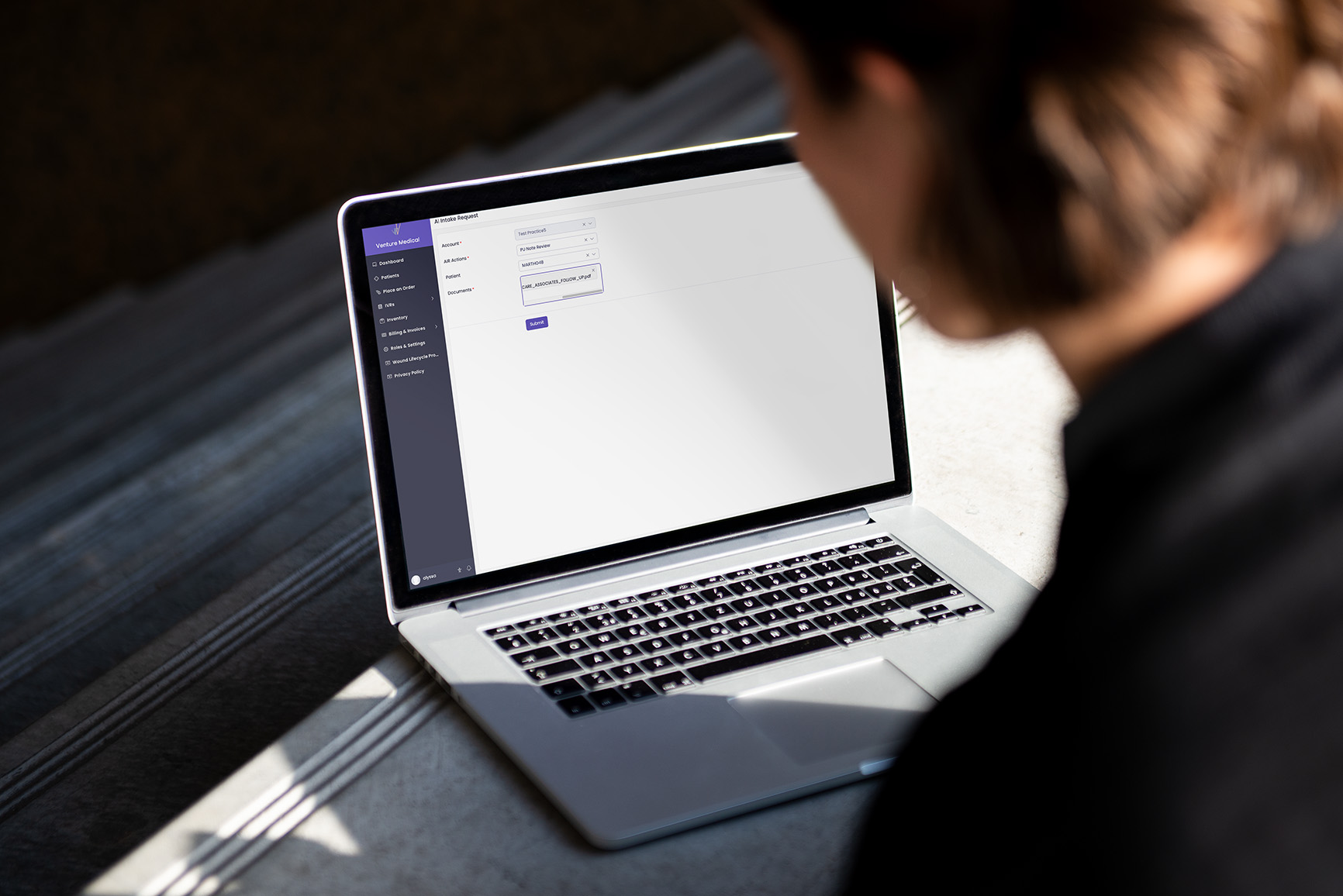
What We're Seeing: AI Note Review Tool Provides Clinical Note Insights
Since rolling out AI powered note review, we've been checking standard of care documentation against payer policy on every case, and the same three gaps keep coming up: vascular assessment that's incomplete or missing, contraindications that were treated but never documented as resolved, and conservative care periods that don't fully hold together on paper. The encouraging part is that the care itself is almost always solid. It's the note that doesn't quite prove it, and that's a much easier fix.
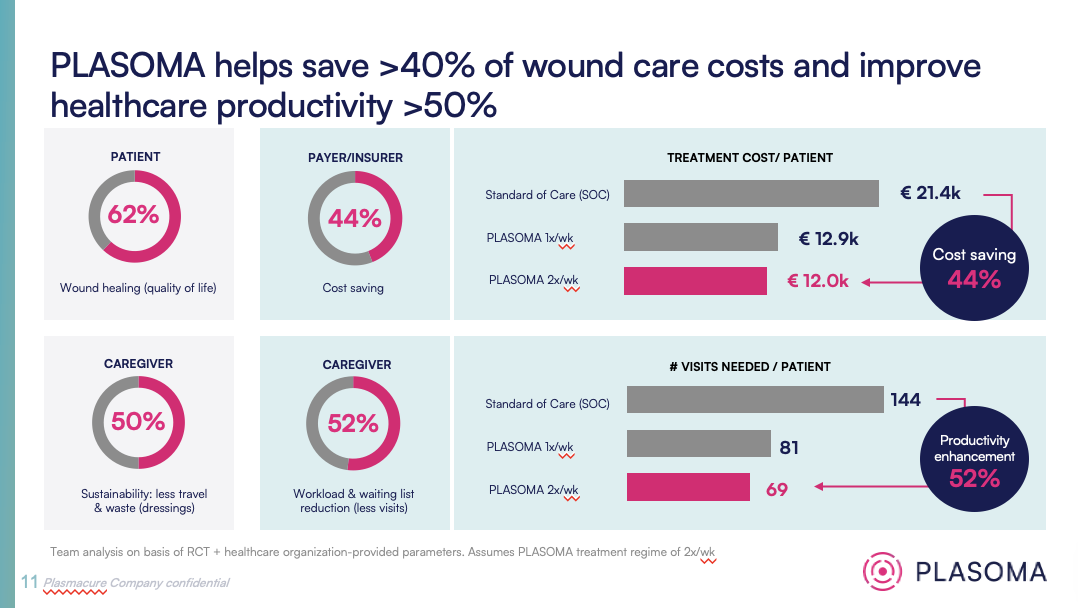
Venture Medical and Plasmacure Explore the Future of Cold Plasma at IPAWS
Venture Medical and Plasmacure recently came together at IPAWS in New Orleans to introduce wound care professionals to PLASOMA® and explore the potential role of cold atmospheric plasma in the future of advanced wound care in the United States.


How Venture Medical Is Helping Providers Build Practices That Last
Venture Medical remains committed to being a long-term partner to providers by giving them the strategies and tools they need to build sustainable, resilient practices for the long haul.Venture Medical's ongoing 2026 webinar series is focused on helping wound care providers build practices that can absorb disruption rather than react to it. Learn more about this webinar series and watch the recaps of the sessions you might have missed.

Why Defensible Documentation Is the Most Important Business Decision You Will Make in 2026
In an era of tightening payer scrutiny and rising audit activity, the practices that thrive will be the ones that treat documentation as a clinical and operational standard, not an afterthought. This blog breaks down what medical necessity really means, what "defensible" documentation looks like, and how the right workflows and technology can make excellence achievable every single day.



Missoula, Montana